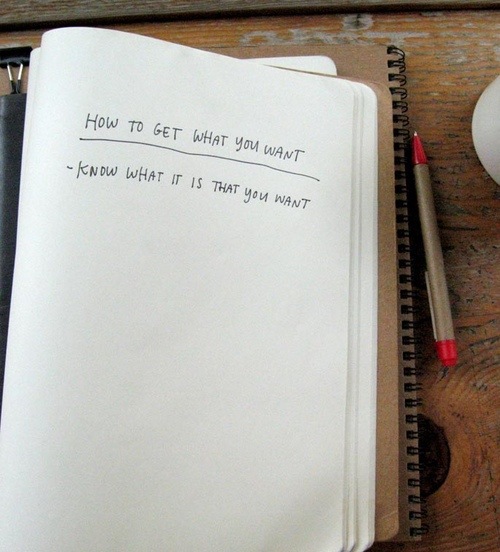
“Far away there in the sunshine are my highest aspirations. I may not reach them, but I can look up and see their beauty, believe in them, and try to follow where they lead.”
― Louisa May Alcott

Author and Digital Strategist
“Far away there in the sunshine are my highest aspirations. I may not reach them, but I can look up and see their beauty, believe in them, and try to follow where they lead.”
― Louisa May Alcott
Yesterday was a rough writing day for me.
So far this entire process has been pretty great! Sure there were a few moments in drafting it all out that I was a little

But overall things were pretty:

Yesterday though, seven chapters into my revisions, I started to feel it.
That creepy little fiend called self doubt.
I started looking at my manuscript thinking,
“This thing sucks.”
“No one will ever want to read this.”
“I am wasting my time.”
“Everyone probably just thinks I’m a dumb housewife with a stupid hobby.”
“I’m not good enough.”
“I’m delusional to think I could write a good book.”
“I suck.”
That, coupled with the fact I still can’t find another literary agency internship, just had me feeling all:

This whole process is frightening for me on so many levels because this is what I’ve always wanted to do with my life. If I suck at it, who am I? If I fail at it, I will have to completely change the way I view myself and my dreams. Talk about a worldview shift.
So what can I do to battle self-doubt?
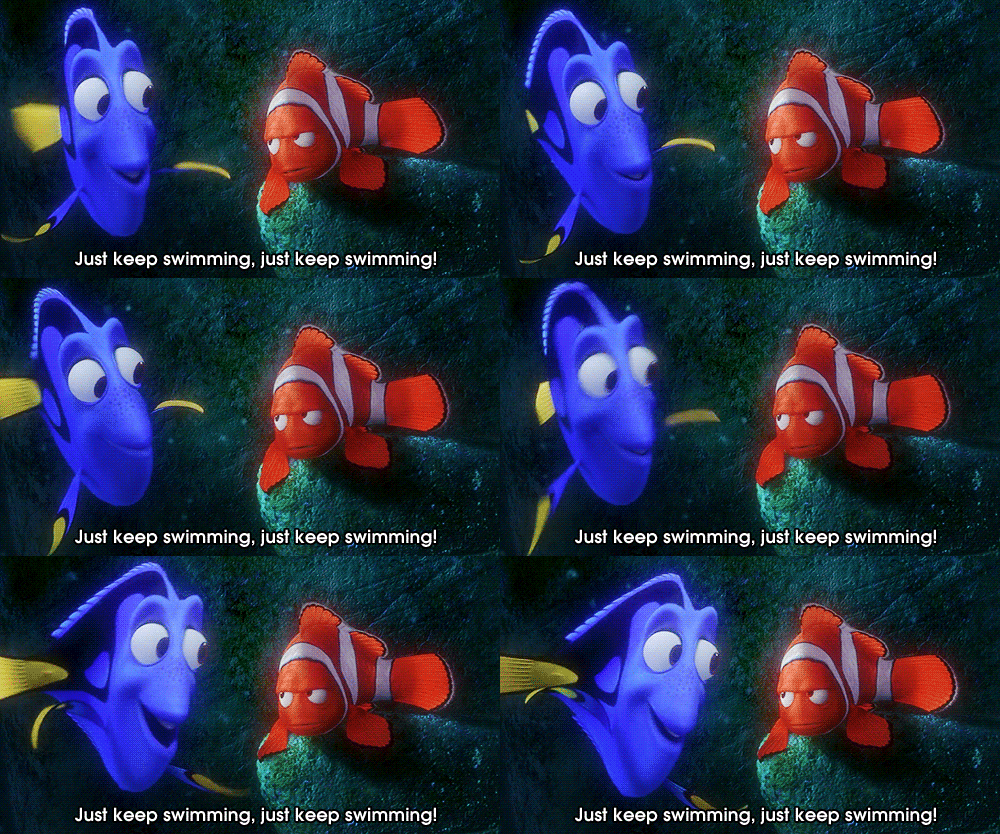
KEEP WRITING.
Don’t give up.
Push through my insecurity and keep pushing back.
I don’t want to be blindly confidant, but I want to be grounded in courage.
Because even if I doubt myself at times and I’m scared to fail at something I love so much, the only way to get to the other side of this process is to:
Trying to write with kids in the house is my life right now since they are home on summer break.
Some days it’s super easy. Some days it’s impossible. Most days it’s a mixture of both.
The average day with my three kids (ages 6, 4 and 2) is some sort of rendition of this:

and me being like this:

Then they are all:

and I’m like:

Then they come back with:

and I go:
Okay, just kidding about that last one.
But really, it’s not the easiest thing to get creative work done when you have kids at the house.
I’ve found a few tips that help me get things done.
Everyone has their own particular way they can get things done with kids in the house, these are just a few of mine. I also copyedit, transcribe and intern at a literary agency in addition to writing and so I use these tricks a lot!
The biggest thing is they’re your kids. They are only this age for so long. They’ll only desperately need our attention for so long. Time flies and we writers sometimes need a reminder that we can’t just live in the worlds we create. So when the kids interrupt you for the millionth time in 20 minutes and everything in you wants to go:

Just remember to:

Because the last thing you need is to give them any more fodder for hating you when they are teenagers.
I’ve been living and breathing the revision process for the last few weeks and it’s been a whole new experience.
It’s one thing to be able to set word count goals and knock them out day by day, but to sit down and begin shading in a book – chapter by chapter – is a lot harder than it seems.
“Think globally”
People have told me and that has been the thing I have been focusing on.
This weekend I have tackled the first six chapters. I have some revision notes from my CP, which have helped tremendously and now I’m just trying to clean up the dialogue and make sure things sound right – as well as fleshing out the setting and the characters. I just have a few more sections to re-write and then I want to send it over to my CP for her to take a look at this chunk in its entirety.
The cool thing about revising is watching the shading happen before my eyes. For example:
See, it’s so fun how it’s evolving! Have I mentioned I love writing? 🙂
I’ve also decided to never fully delete anything. I just copy it and paste it into a file called – deleted sections. I know, super amazing revising advice right there. Take note. 🙂
Through all of this, I am for sure identifying with the saying, writing is re-writing!
The hardest part right now is thinking and talking about something else other than my 2 year old’s bathroom routine (he’s potty training) and my book. I’ve definitely been alienating people lately, but I guess that’s the life of a writer in the thick of it.


Okay, so I’ve never really understood this term. I could vaguley give you a description, but Beth Revis on the YA Reddit group I am involved in spelled it out SO perfectly that I have to share here:
What is High Concept?
First, what high concept is not: it’s not “high.” This is the thing that throws people off the most. Most people think that “high concept” means something that’s very literary, artistic, and not commercial—and the exact opposite is true.
High concept is something that has immediate commercial appeal.
Typically, the way this is explained is that:
- You can sum up a high concept idea in a sentence or two
- It has obvious appeal to the masses—it’s a concept that most people can get with just a sentence
- It’s a story that you can immediately see what it would be like just from a short description
High concept is hugely important because it’s easy to sell. If you’re querying, a high concept pitch is arguably one of the best things you can have to make your query stand out. If you’re published, a high concept pitch is the hook you use to advertise your book, the way you describe it to hand-sell it, the sentence you use on your swag. If you want to commercially sell your work, having a high concept pitch is one of the best things you can use.
Examples of high concept:
- A boarding school with wizards
- An arena where children and teens have to fight to the death
- A vampire that falls in love with a mortal
Obvious, yeah? High concept sells. If you can sum up your book in one simple phrase or sentence, one that has appeal to a lot of people, then you’re gold. People tend to like the familiar, and they like the concepts they can easily grasp, the stories they know will appeal to them.
The examples above are obvious, but here’s some that aren’t as obvious:
- A murder mystery in space (My own novel, Across the Universe)
- A teen who can time travel, stuck in the wrong time (Julie Cross’s Tempest)
- A world where everyone gets a letter 24 hours before they die (Shaun Hutchinson’s The Deathday Letter)
When summing up high concept, you’re looking to *give the familiar, then give the twist. “A vampire”—a familiar concept many people know and like. “Falls in love with a mortal”—a twist to the story. The typical reader can take the familiar they already know, see the twist that will flesh it into a whole story, and that makes them want to read it.
The discussion that follows is incredibly awesome as well. If you are a writer I would definitely check it out, whether you write YA or not. You can find the thread here.
Oh and HAPPY BIRTHDAY ‘MERICA!

Although I haven’t consistently lived in America in over four years, I will always be American through and through! We are going to a 4th of July picnic today and a huge Independence Day celebration put on by the US Embassy on Saturday.
Wishing everyone a happy, happy Independence Day!
In the truest sense, freedom cannot be bestowed; it must be achieved.
~Franklin D. Roosevelt
 Destiny Cole